[Begum, Haocun]
This is a summary of work done over the week of March 3-7. Apologies for the late alog.
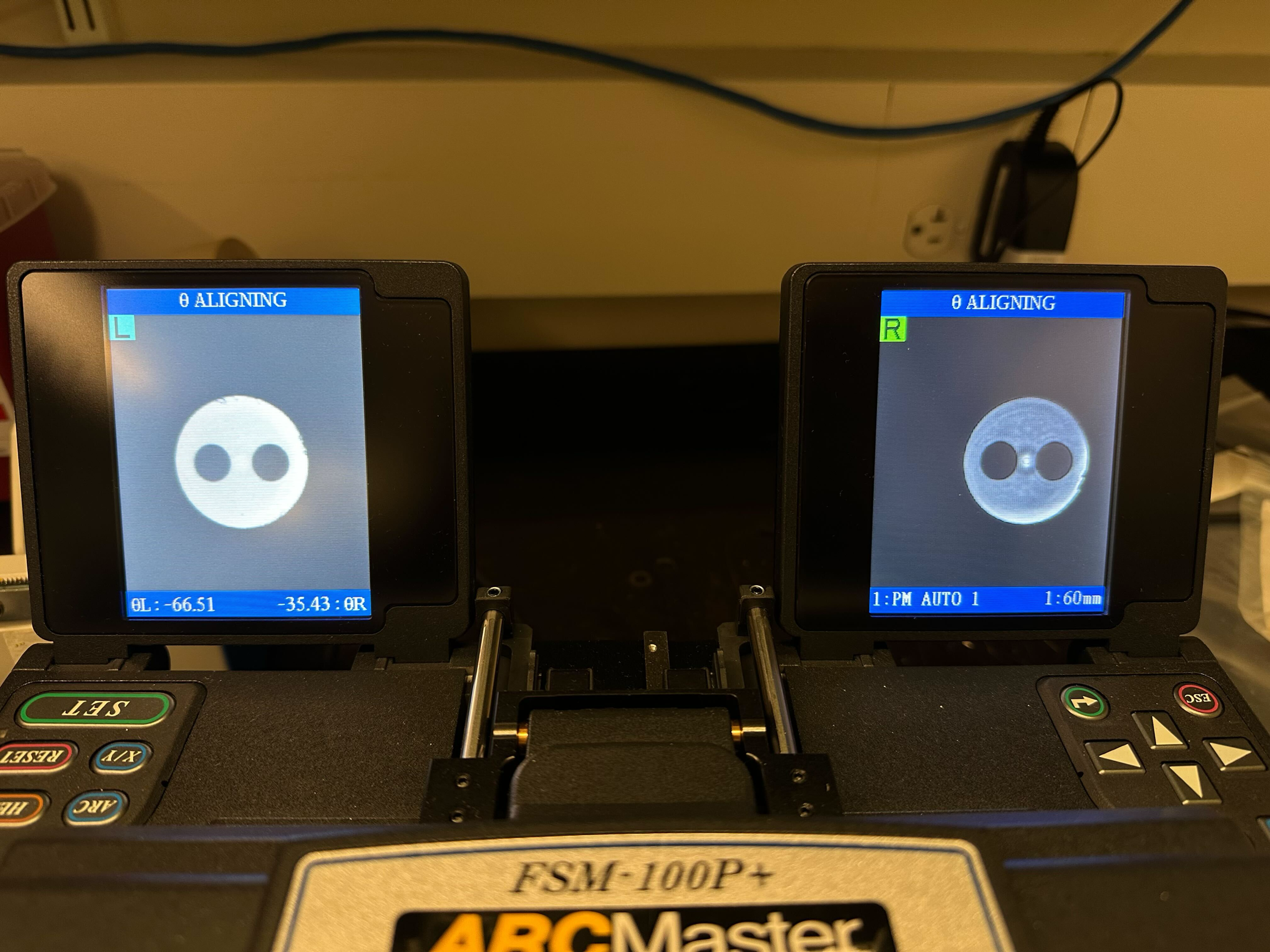
We first started working on the PZT polarization mixing issue. All of the fiber components before the PZT, and the fiber that is wound around the PZT are (panda) PM. So we reasoned that it is unlikely for the epoxy to create enough tension/twist on the PM fiber to cause it to actively couple light between the two polarization axes. This pointed us to the splice point between the fiber patchcord and the bare fiber that is wound around the pzt. Using the end facet imaging alignment function of the PM splicer (Fujikura FSM-100P+) (see attached photo for the end facets), got ~20 dB PER at the output of the PZT fiber. The splicer also allows for hand alignment, so we can fine tune with this later on, if needed.
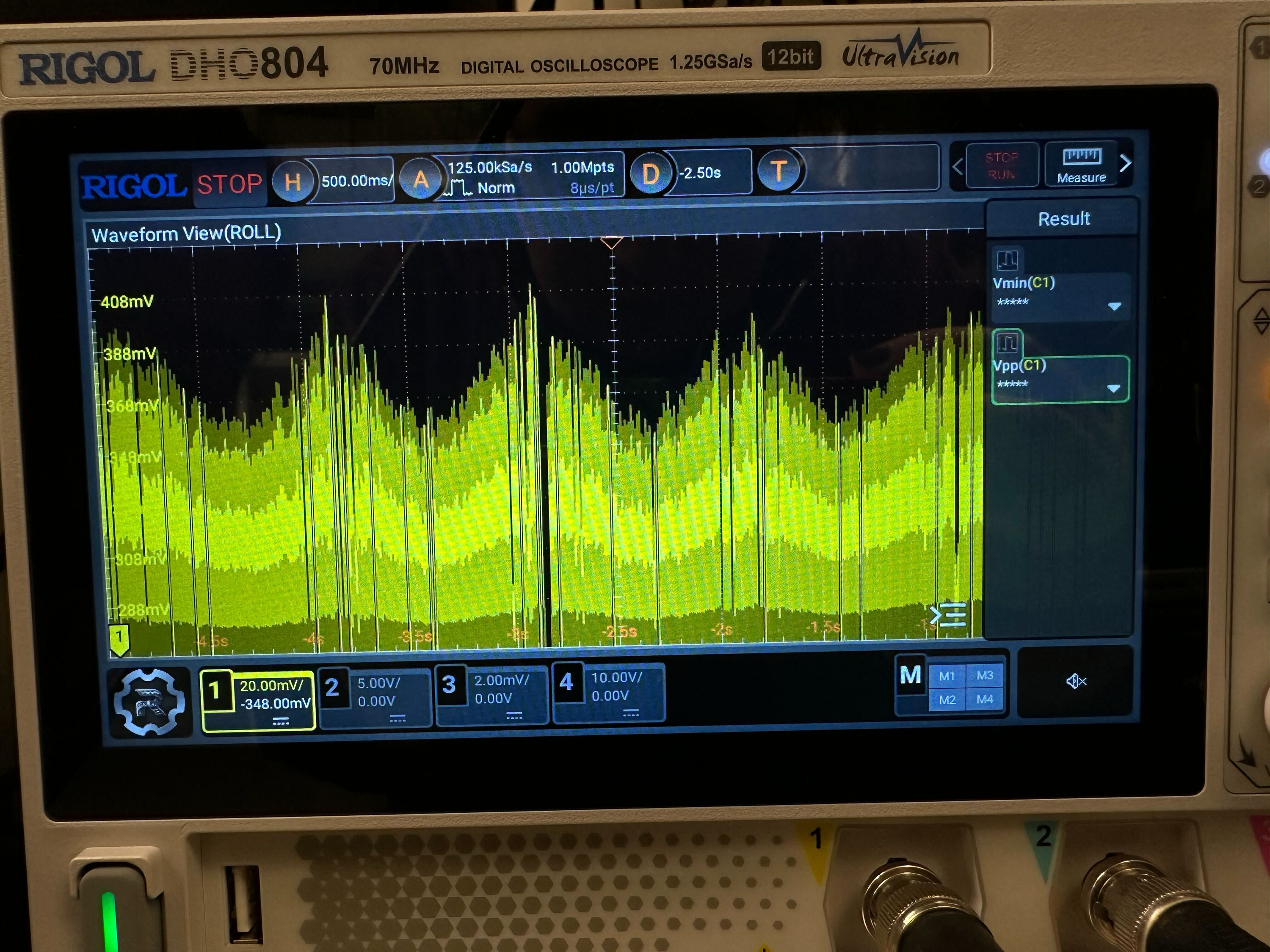
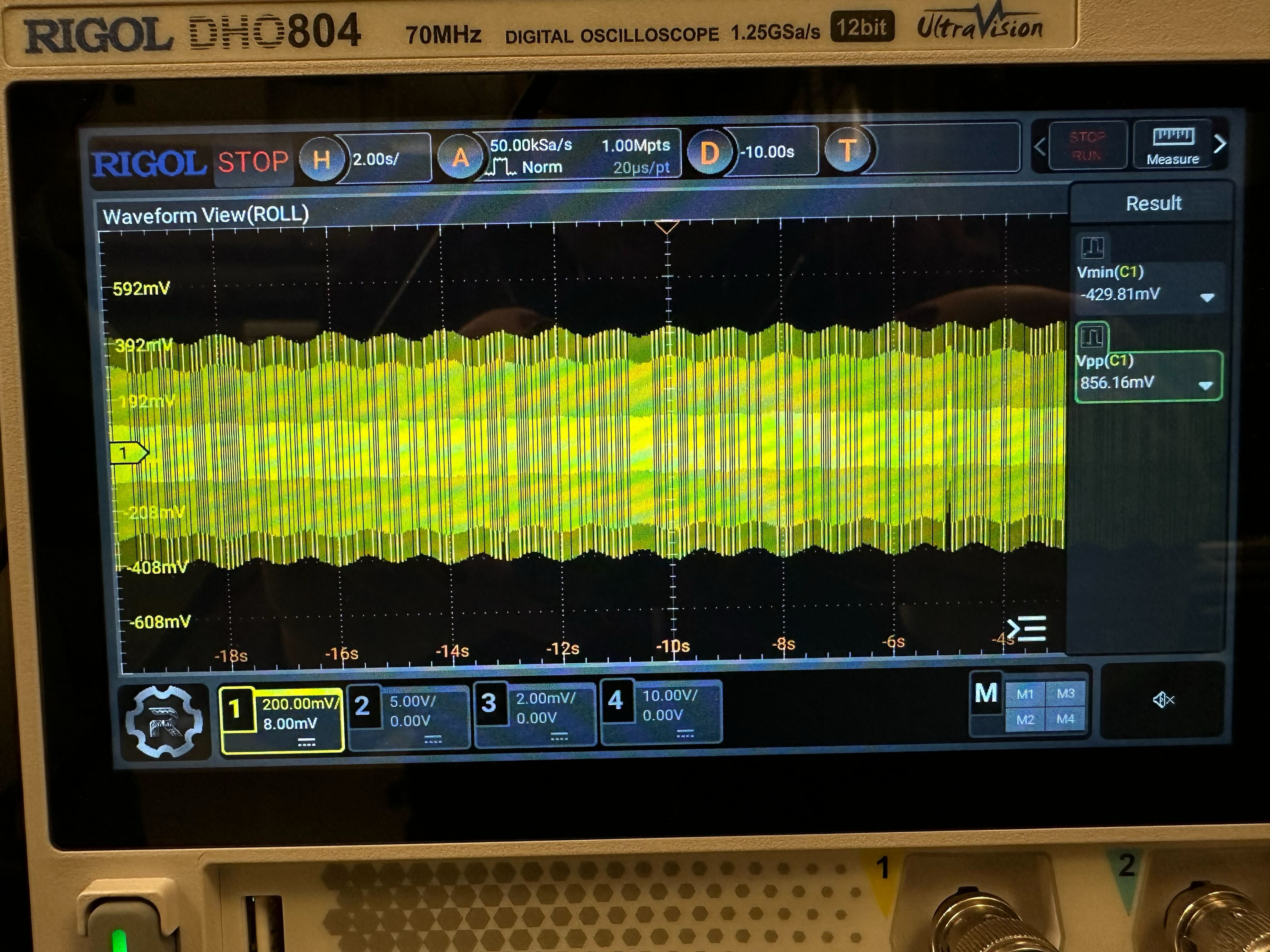
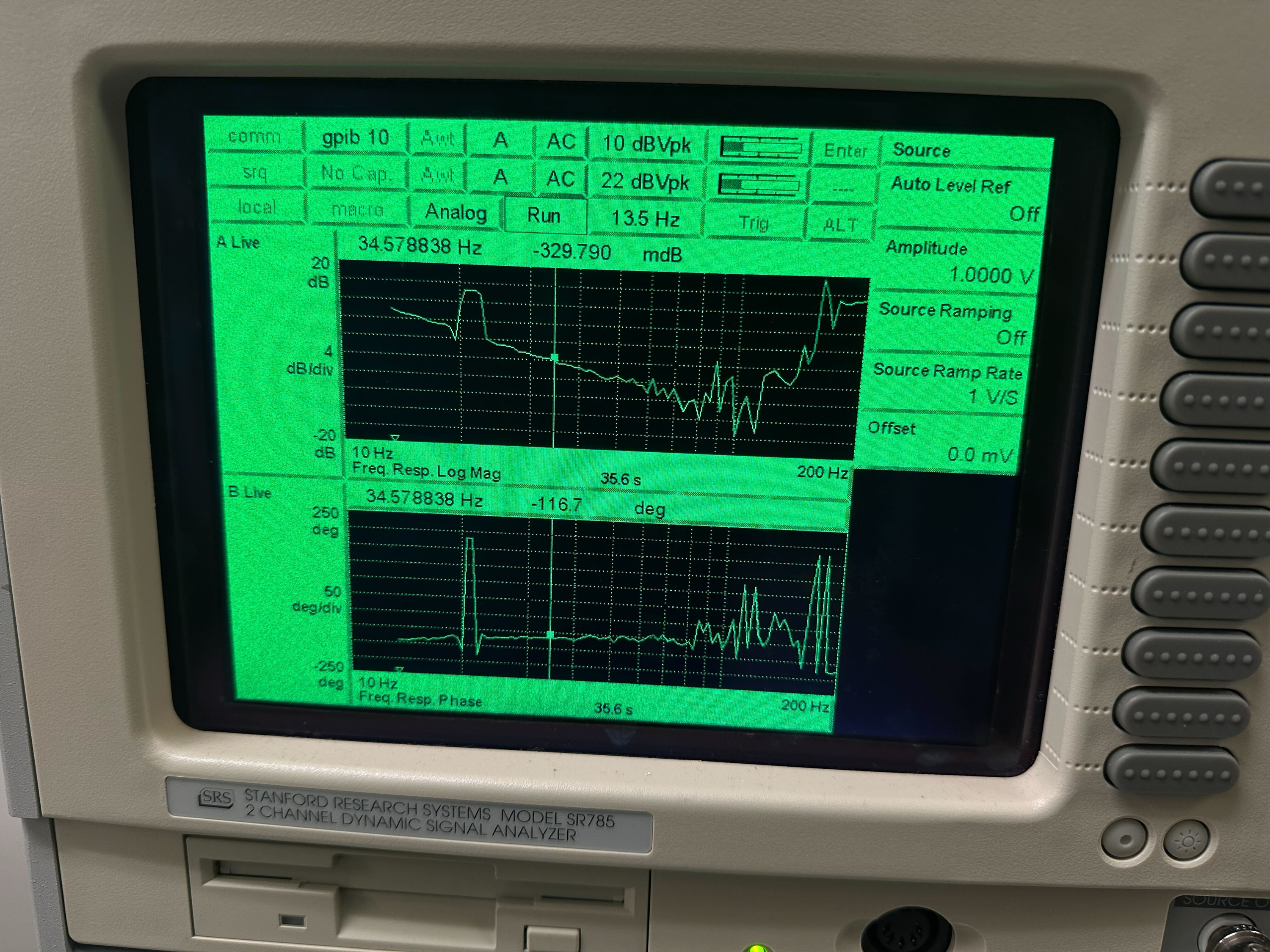
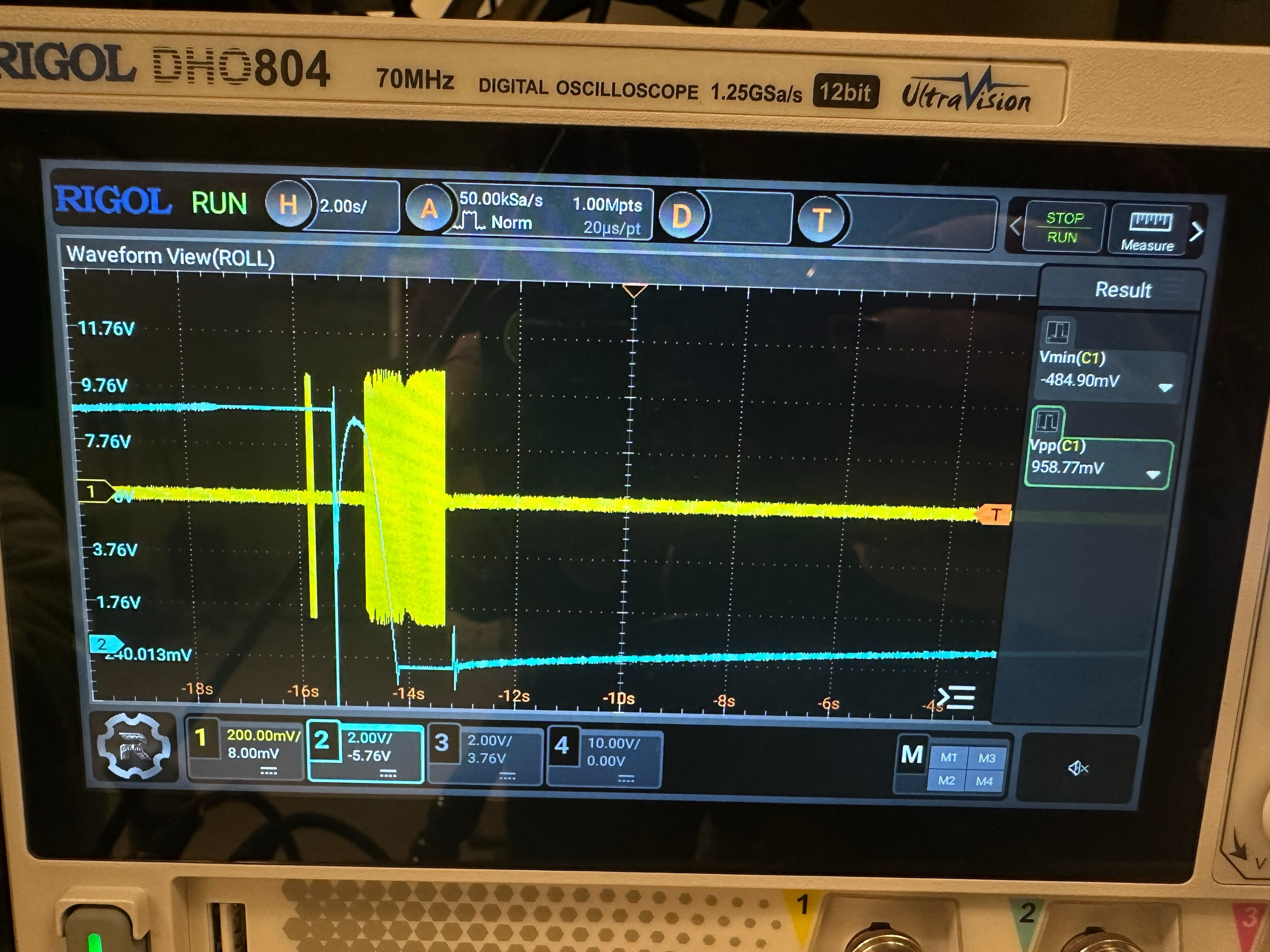
Then we measured the modulation on the homodyne fringing to see if the polarization effect is still there, see attached oscilloscope screenshot. The 10% fluctuation is consistent with the 20 dB PER (see closeup). Consequently, the UGF of the common loop transfer function is fluctuating around 55 kHz, see this link to a video of the transfer function measurement. It doesn't look too severe, unlike the last time we tried this measurement, where the UGF was swinging by 10s of Hz. We also measured the frequency response of the slow loop, which shows a cross-over frequency of around 35 Hz with a very strong resonance peak just above 20 Hz (attached plot). See the attached oscilloscope screen, showing the homodyne signal with the yellow trace and the PZT monitor with the blue trace. The screen is recorded right after the TF goes through the resonance and the homodyne loses lock. Also, notice the drift of the PZT mon after it is locked again. This drift is unidirectional until the PZT runs out of range and the homodyne unlocks and relocks again, at which point it jumps to a lower voltage then proceeds to drift to larger values again. This limits the amount of time we can take uninterrupted data to a few minutes right now. In the future, we will add more windings to the PZT to increase the available range.